
In This Article
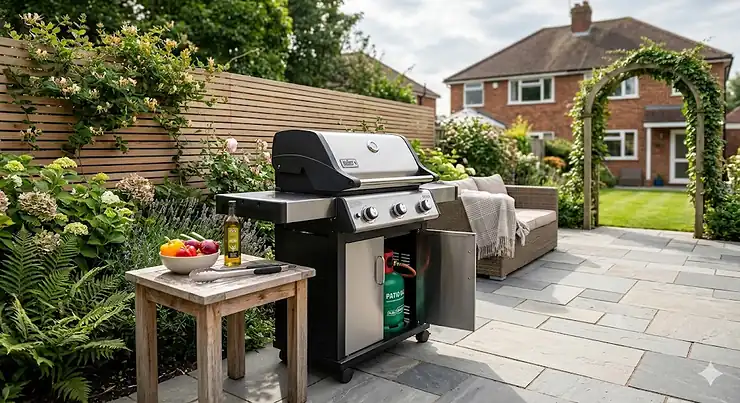
There’s something quintessentially British about optimistically planning a summer barbecue, checking the weather forecast seventeen times, and then grilling in a light drizzle anyway. If you’re serious about outdoor cooking but don’t fancy wrestling with charcoal every weekend, a 3 burner gas bbq strikes the ideal balance between performance and practicality.
According to Which? consumer testing, the most common fault amongst UK BBQ owners is rust damage from British weather — making material quality your primary consideration rather than an afterthought.
The British summer — such as it is — demands flexibility. One moment you’re basking in unexpected sunshine, the next you’re scrambling to salvage your sausages before the heavens open. Gas BBQs offer instant heat control, quick ignition, and the ability to actually finish cooking before the rain arrives. Unlike sprawling six-burner monsters that dominate American backyards, a three burner configuration fits comfortably in British gardens, whether you’ve got a modest patio in Manchester or a slightly larger plot in the Cotswolds.
What most buyers overlook about the three burner sweet spot is the zone control it provides. You’re not just getting more power — you’re gaining the ability to create distinct cooking zones: high heat for searing steaks, medium for chicken, and low for keeping things warm. This becomes rather important when you’re juggling multiple dishes for a family of six or hosting a small garden party. The mid-range price bracket for quality 3 burner gas bbqs typically sits between £300-£600, which represents excellent value when you consider you’re investing in equipment that should last five to ten years with proper maintenance.
Quick Comparison: Top 3 Burner Gas BBQ Models
| Model | Price Range | Cooking Area | Key Feature | Best For |
|---|---|---|---|---|
| Weber Spirit II E-310 | £400-£550 | 2,760 cm² | 10-year warranty, GS4 system | Long-term investment |
| Char-Broil Professional 3400 S | £350-£450 | 2,732 cm² | TRU-Infrared technology | Juicy results, less gas |
| Campingaz 3 Series Classic LS Plus | £280-£380 | 2,500 cm² | InstaClean system | Easy maintenance |
| George Foreman GFGBBQ3BW | £180-£250 | 2,520 cm² | Integrated thermometer | Budget-friendly families |
| Campingaz 3 Series Premium S | £450-£600 | 2,806 cm² | Culinary Modular System | Versatile cooking |
| Char-Broil Gas2Coal Hybrid | £380-£480 | 2,745 cm² | Gas + charcoal capability | Flavour enthusiasts |
| CosmoGrill Pro Deluxe 5 (4+1) | £200-£300 | 2,650 cm² | Side burner included | Value seekers |
From the comparison above, the Weber Spirit II E-310 offers the best long-term value around £500, but if you’re tackling British weather conditions regularly, the Char-Broil’s TRU-Infrared system justifies its £350-£450 price point by delivering more consistent heat in windy conditions. Budget buyers should note that the George Foreman sacrifices cast iron grates for its lower price — a trade-off that becomes apparent after a few months of damp British mornings when chrome-plated steel starts showing wear.
💬 Just one click — help others make better buying decisions too! 😊
Top 7 3 Burner Gas BBQ Models: Expert Analysis
1. Weber Spirit II E-310 GBS – The Gold Standard
The Weber Spirit II E-310 has earned its reputation as Britain’s most trusted three burner gas barbecue, and frankly, it’s not difficult to see why once you’ve assembled it and fired up the burners. This is Weber’s entry-level offering in their Spirit range, which sounds modest until you realise “entry-level Weber” still outperforms most competitors’ premium models.
The GS4 High Performance Grilling System comprises four key components: infinity ignition (lights reliably even in wind), porcelain-enamelled Flavorizer bars (catch drippings and create that authentic BBQ flavour), stainless steel burners delivering 8.79 kW of power, and a grease management system that actually works. What the spec sheet won’t tell you is that those Flavorizer bars mean you’ll get proper sear marks on steaks without the flare-ups that plague cheaper models — rather important when you’re cooking expensive cuts.
The 2,760 cm² primary cooking area accommodates around 18-20 burgers or a whole chicken with vegetables simultaneously. In real-world British conditions, this BBQ reaches cooking temperature in approximately 8-10 minutes, even on a breezy spring evening. The porcelain-enamelled cast iron grates retain heat exceptionally well and clean up easily, though you’ll still want to oil them after each use to prevent rust during our damp winters.
UK customers particularly appreciate the folding left side table, which makes storage more practical for those with compact gardens or limited shed space. The open cart design provides decent storage for a 13 kg propane cylinder plus basic tools, whilst the integrated tool hooks actually hold your spatula securely rather than letting it clatter to the ground mid-flip.
✅ Industry-leading 10-year warranty on all components
✅ Reliable Snap-Jet ignition works consistently in British wind
✅ Porcelain-enamelled cast iron grates resist rust through multiple winters
❌ Premium pricing in the £400-£550 range
❌ No side burner at this price point (available on Genesis models)
Price Range: Around £400-£550
Value Verdict: The Weber Spirit II E-310 represents the smartest long-term investment for serious British grillers. Yes, you’ll pay more upfront, but the decade-long warranty and consistent performance through multiple UK winters justify every pound.
2. Char-Broil Professional 3400 S – TRU-Infrared Excellence
The Char-Broil Professional 3400 S introduces American innovation that actually makes sense for British conditions: TRU-Infrared cooking technology. Unlike traditional burners that create hot spots and flare-ups, this system uses perforated metal plates between the burners and cooking grates to distribute heat evenly whilst preventing direct flame contact with your food.
The practical benefit becomes obvious on your first cook. Chicken breasts cook through without charring the outside, fish doesn’t stick and fall apart, and you can leave burgers unattended for a minute without returning to find them engulfed in flames. This technology also reduces gas consumption by approximately 30% compared to conventional burners — meaningful savings when propane isn’t getting any cheaper.
Three stainless steel burners deliver precise zone control across the 2,732 cm² cooking surface, whilst the additional side burner (2.3 kW) handles sauces, fried onions, or a pot of beans without forcing you to dash back to the kitchen. The cast iron cooking grates are porcelain-coated for rust resistance, though they require regular oiling to maintain their non-stick properties.
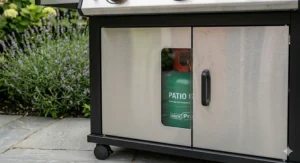
British reviewers consistently mention the solid build quality — this feels like a £600 BBQ despite typically selling around £350-£450. The enclosed cart design keeps your gas bottle hidden and protected from the elements, whilst four castors (two locking) make positioning straightforward even on uneven paving.
✅ TRU-Infrared prevents flare-ups and delivers 50% juicier food
✅ Side burner included as standard
✅ Uses 30% less gas than conventional BBQs
❌ Cast iron grates need regular seasoning with oil
❌ Heavier at 50+ kg, making relocation challenging
Price Range: £350-£450
Value Verdict: Outstanding value for technology that genuinely improves cooking results. The gas savings alone offset the initial investment within a couple of seasons.
3. Campingaz 3 Series Classic LS Plus – French Engineering for British Gardens
The Campingaz 3 Series Classic LS Plus arrives from French manufacturer Campingaz with design sensibilities that prioritise ease of use and maintenance — refreshing in a market often obsessed with gimmicky features. This barbecue centres around their InstaClean system, which genuinely lives up to its name.
Unlike competitors where cleaning involves scraping, scrubbing, and questioning your life choices, the InstaClean system allows you to remove the cooking grates, grease tray, and collection cup in under 60 seconds. Most components are dishwasher-safe, which transforms post-barbecue cleanup from a dreaded chore into something you might actually do properly rather than postponing until the grease has fossilised.
Three stainless steel tube burners deliver 9.6 kW across the 2,500 cm² enamelled cast iron cooking surface, with Even Temp technology ensuring heat distributes uniformly rather than creating the frustrating hot and cold zones cheaper models suffer from. The integrated rotisserie option opens up proper Sunday roast possibilities — imagine a whole chicken slowly rotating whilst you enjoy a pint rather than hovering over it anxiously.
The 2.3 kW side burner proves genuinely useful for British BBQs where accompaniments matter. You can prepare proper onion gravy, warm baked beans, or even brew tea without abandoning your post. The folding side table and enclosed trolley with doors create decent prep and storage space, whilst four swivel castors make repositioning straightforward.
✅ InstaClean system makes cleanup genuinely quick
✅ Dishwasher-safe components save time and effort
✅ Rotisserie-compatible for whole chicken cooking
❌ Lighter construction compared to Weber or Char-Broil
❌ Three-year burner warranty versus Weber’s ten
Price Range: £280-£380
Value Verdict: Brilliant choice for families who want quality performance without the premium price tag, especially if easy cleaning ranks high on your priority list.
4. George Foreman GFGBBQ3BW – Budget Champion with Style
The George Foreman GFGBBQ3BW proves you don’t need to spend £500 to enjoy decent gas grilling, though you do need realistic expectations about what £180-£250 delivers. This three burner model features attractive wood-effect side shelves that elevate its appearance beyond typical budget offerings, making it look rather smart on a suburban patio.
Three 3 kW burners provide 9 kW total power across the 2,520 cm² chrome-plated steel cooking surface — enough space for 10 portions simultaneously. The integrated thermometer in the lid helps maintain consistent temperatures, whilst the adjustable vent allows some airflow control for indirect cooking attempts. Automatic piezo ignition lights each burner independently, removing the faff of matches or lighters.
What most buyers overlook about this model is the chrome-plated steel grates rather than cast iron. This keeps costs down but means heat retention suffers compared to premium models, and you’ll notice uneven cooking on cheaper cuts of meat. The grates also require more careful maintenance to prevent rust in British weather — expect to oil them thoroughly after every use and store the BBQ under a cover religiously.
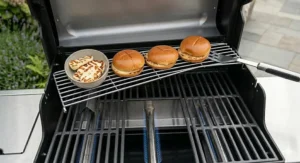
British customers appreciate the warming rack, which proves genuinely useful for toasting buns or keeping cooked items warm whilst you finish the rest. The towel hanging rail sounds gimmicky but actually comes in handy. At 24 kg, it’s light enough for one person to manoeuvre, and the integrated wheels make storage straightforward.
✅ Attractive wood-effect shelves elevate appearance
✅ Excellent value under £250
✅ Lightweight design suits smaller gardens
❌ Chrome-plated steel grates lack heat retention of cast iron
❌ Budget construction shows after extended use
Price Range: £180-£250
Value Verdict: Ideal starter BBQ for families testing whether gas grilling suits their lifestyle before committing to premium models. Just don’t expect decade-long durability.
5. Campingaz 3 Series Premium S – Modular Cooking Innovation
The Campingaz 3 Series Premium S represents the French manufacturer’s flagship three burner offering, introducing their Culinary Modular System — essentially a two-segment cast iron grill that accepts purpose-built accessories. This transforms your BBQ from a simple grill into something approaching an outdoor kitchen.
The standard configuration includes a cast iron grid and griddle, but you can swap sections for a pizza stone, wok insert, or chicken roaster. What the marketing materials won’t emphasise is that these accessories cost extra (naturally), but the flexibility genuinely expands your cooking repertoire. Imagine making authentic wood-fired-style pizza on a Friday evening or stir-frying vegetables whilst burgers cook alongside — suddenly you’re hosting dinner parties rather than just grilling sausages.
Three high-performance stainless steel burners deliver 10.2 kW across the generous 2,806 cm² cooking surface, with the additional 2.3 kW side burner handling accompaniments. The InstaClean Aqua system represents Campingaz’s premium cleaning solution: a water-filled grease drip tray that collects drippings, which automatically flow into a removable container in the door. Pull it out, empty it, done — no scraping required.
The substantial 68 kg weight and premium materials justify the £450-£600 price range. Four all-terrain castor wheels handle uneven garden surfaces better than cheaper models’ basic wheels, whilst the enclosed trolley with two doors provides protected storage for a 13 kg gas bottle plus accessories.
✅ Culinary Modular System enables pizza, wok cooking, rotisserie
✅ Premium InstaClean Aqua system for effortless maintenance
✅ Large 2,806 cm² cooking area handles 10-12 people
❌ Modular accessories sold separately increase total cost
❌ Heavy 68 kg weight makes relocation challenging
Price Range: £450-£600
Value Verdict: Worthwhile investment for enthusiastic cooks who’ll actually use the modular capabilities. If you’re just grilling burgers and sausages, the Premium S’s extra cost brings limited benefit.
6. Char-Broil Gas2Coal Hybrid – Best of Both Worlds
The Char-Broil Gas2Coal Hybrid solves a dilemma many British grillers face: gas offers convenience, but charcoal delivers superior flavour. This innovative three burner BBQ allows you to use either fuel source, or even transition between them during a single cook.
The patented Gas2Coal charcoal tray slots over the gas burners, letting you use the burners to ignite charcoal quickly before switching them off and cooking over proper coals. This eliminates the tedious lighting process that makes spontaneous charcoal grilling impractical on a Tuesday evening. Fancy smoky ribs at the weekend? Use charcoal. Need midweek chicken done in 20 minutes? Fire up the gas.
Three cast iron burners provide the gas cooking power, whilst the removable charcoal tray stores neatly on the BBQ itself when not needed. The 2,745 cm² cooking area accommodates around 10 people comfortably, with a built-in thermometer helping monitor temperatures without lifting the lid and losing heat.
What British users particularly appreciate is the flexibility this provides for our unpredictable weather. If rain threatens halfway through a charcoal cook, you can finish quickly on gas rather than watching your expensive steaks get soaked. The side burner proves useful regardless of which fuel you’re using, handling sauces and sides whilst the main cooking happens.
✅ Genuine dual-fuel capability (gas and charcoal)
✅ Gas burners light charcoal easily, removing tedious preparation
✅ Built-in thermometer monitors temperatures accurately
❌ Slightly more complex to maintain than single-fuel models
❌ Charcoal tray sold separately on some models
Price Range: £380-£480
Value Verdict: Brilliant compromise for those unwilling to choose between gas convenience and charcoal flavour. The versatility justifies the premium over standard gas-only models.
7. CosmoGrill Pro Deluxe 5 (4+1 Configuration) – Maximum Features, Minimum Price
The CosmoGrill Pro Deluxe 5 technically features four main burners plus one side burner, but we’re including it because it demonstrates what £200-£300 delivers when you prioritise features over brand prestige. This represents excellent value for budget-conscious families wanting maximum cooking capability.
Four main burners plus a dedicated side burner provide multiple independent heat zones across the 2,650 cm² cooking area, with a steel warming rack keeping finished items hot whilst you complete the rest. The built-in temperature gauge, whilst not precision-engineered, gives adequate feedback for general grilling. Electronic ignition handles lighting duties, and there’s even cabinet storage below for your gas bottle and tools.
What you’re sacrificing at this price point is build quality and longevity. The materials feel lighter than premium competitors, and British weather will test the finish more severely. Expect surface rust within a couple of years unless you’re religious about covering it after every use and storing it under shelter during winter months. The burners work adequately but lack the refined heat control of Weber or Char-Broil models.
That said, for families wanting to explore gas grilling without major financial commitment, or as a second BBQ for a caravan or holiday home, the CosmoGrill delivers surprising capability. Just maintain realistic expectations about five-year rather than decade-long performance.
✅ Exceptional value under £300 with five burners total
✅ Side burner and warming rack included as standard
✅ Cabinet storage keeps everything organised
❌ Budget construction shows in materials quality
❌ Requires diligent maintenance to prevent premature rust
Price Range: £200-£300
Value Verdict: Outstanding features-per-pound ratio makes this ideal for families wanting maximum cooking capability on a tight budget, provided you accept shorter lifespan than premium models.
How to Choose the Right 3 Burner Gas BBQ for Your Garden
Selecting the ideal three burner gas barbecue requires balancing several competing factors, and British conditions introduce considerations that American buying guides cheerfully ignore. Here’s what actually matters when you’re spending £200-£600 on outdoor cooking equipment that needs to survive our climate.
1. Material Quality for British Weather
British weather is relentlessly damp rather than dramatically harsh, which tests BBQ materials in sneaky ways. Cast iron cooking grates retain heat brilliantly but rust quickly if not maintained properly — expect to oil them after every use and potentially re-season them each spring. Porcelain-enamelled cast iron (found on Weber and Char-Broil premium models) offers rust resistance whilst retaining heat benefits, representing the sweet spot for British conditions.
Stainless steel burners resist corrosion better than mild steel alternatives, though even stainless will show surface oxidation after several winters. The exterior finish matters more than marketing suggests: powder-coated steel looks smart initially but chips and scratches expose bare metal to moisture. Porcelain-enamelled lids (Weber’s approach) handle weather punishment more gracefully. The UK Government’s fire safety guidance recommends storing gas cylinders outdoors in well-ventilated areas and checking connections regularly for safe operation.
2. Cooking Area Versus Garden Space
A 2,500 cm² cooking area sounds abstract until you translate it to actual meals. This accommodates roughly 18-20 burgers, 12-15 chicken pieces, or a whole chicken plus vegetables simultaneously — adequate for families of 4-6 or small gatherings of 8-10 people. Larger areas (2,800+ cm²) suit regular entertainers but require correspondingly more garden space.
British gardens tend toward compact rather than sprawling, making footprint as important as cooking area. Measure your available space before falling in love with a model, and remember you’ll need clearance around the BBQ for safety — at least 1 metre from fences, walls, or overhanging trees.
3. Heat Control and Zone Cooking
Three independent burners allow genuine zone cooking: high heat for searing steaks, medium for chicken that needs cooking through without charring, and low for keeping items warm or slow-cooking. Cheaper models with linked burner controls lose this flexibility, forcing everything to cook at similar temperatures.
Look for burners that adjust smoothly from high to low rather than having vague “medium” settings. Weber’s infinity burners and Char-Broil’s stainless steel tubes both deliver proper control; budget models often suffer from imprecise adjustment that makes low-temperature cooking frustratingly difficult.
4. Ignition Reliability in Wind
Electronic ignition systems range from “works perfectly even in a gale” to “might light if you’re lucky and there’s no breeze.” British gardens are rarely sheltered enough to ignore this. Weber’s Snap-Jet ignition and similar quality systems light burners individually with one hand, working reliably even when wind makes manual lighting impossible.
Budget models often feature basic piezo ignition that produces a weak spark requiring multiple attempts. After the second summer of struggling to light burners whilst juggling marinated chicken and an impatient family, you’ll wish you’d spent extra for reliable ignition. Understanding proper grilling techniques for temperature control becomes crucial when weather conditions vary throughout the cooking session.
5. Cleaning System Reality Check
Marketing departments love promoting “revolutionary cleaning systems,” but most amount to removable grease trays you’ll still need to scrub. Campingaz’s InstaClean genuinely simplifies maintenance by making components dishwasher-safe. Weber’s grease management system funnels drippings effectively but still requires manual cleaning.
Whatever system your chosen model employs, prioritise designs where you can access and clean the grease collection area without dismantling half the BBQ. Grease buildup in inaccessible areas creates fire hazards and attracts vermin — rather important considerations when your BBQ lives outdoors year-round.
6. Storage and Portability
A 60+ kg BBQ might seem manageable when you’re testing it in a showroom, but moving it quarterly to clean behind or store for winter becomes genuinely tedious. Four castors (with at least two locking) make positioning and storage straightforward; two wheels and two fixed feet create awkward pivoting that damages paving.
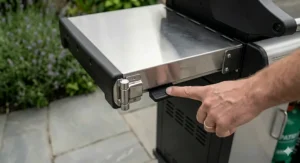
Cabinet storage for your gas bottle keeps things tidy and protects the cylinder from weather, though this adds weight and cost. Side shelves that fold down reduce storage footprint significantly — valuable if you’re working with limited shed or garage space during winter months.
7. Warranty Length Indicates Manufacturer Confidence
Weber’s 10-year warranty on the Spirit II E-310 versus Campingaz’s three-year coverage on burners tells you everything about expected lifespan. Longer warranties cost manufacturers money, so they only offer them when confident the product will survive. Budget brands offering one-year coverage are essentially admitting you’ll be lucky to get three seasons from their BBQ.
Read warranty terms carefully: some cover parts but not labour, others exclude rust damage (rather optimistic for British conditions), and many require registration within specific timeframes to remain valid.
What to Expect: Real-World Performance in British Conditions
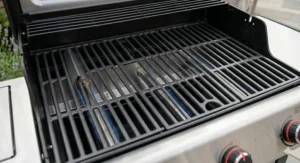
Marketing materials showcase BBQs gleaming under California sunshine, but British reality involves drizzle, wind, and the eternal question “should we risk it or eat indoors?” Here’s what actually happens when you use a three burner gas BBQ through British seasons.
Spring and Autumn: The Challenging Seasons
March through May and September through November present the trickiest conditions for gas grilling. Temperatures hover around 8-15°C, wind frequently gusts across gardens, and rain appears without warning. Quality BBQs like the Weber Spirit II E-310 or Char-Broil Professional maintain temperature effectively even when it’s breezy, reaching cooking temperatures (200-220°C) within 10 minutes.
Budget models struggle more obviously during these months. Thinner lids lose heat rapidly in wind, forcing you to increase gas flow and extending cooking times unpredictably. The difference between “ready in 20 minutes” and “still not done after 35 minutes” tests family patience severely.
Summer: Prime Grilling Weather (Mostly)
British summer temperatures of 18-25°C represent ideal BBQ conditions, though afternoon cloud often replaces morning sunshine and evening temperatures drop noticeably. A lid thermometer becomes essential for monitoring actual cooking temperature rather than guessing based on burner settings.
During genuine heatwaves (28°C+), gas BBQs perform brilliantly compared to charcoal, as you can reduce heat precisely rather than wrestling with overcooking. The ability to shut off one or two burners for indirect cooking prevents cremating chicken whilst ensuring proper internal temperatures.
Winter Grilling: Possible but Challenging
Determined grillers absolutely can use gas BBQs year-round, though expect longer preheating (15-20 minutes when temperatures drop below 5°C) and higher gas consumption. Covered areas help enormously; positioning your BBQ under a patio roof or garden shelter protects from rain whilst maintaining ventilation.
Cast iron cooking grates suffer most during winter, as moisture settles between uses. Unless you’re storing your BBQ in a heated garage, expect to battle surface rust each spring. Thoroughly oiling grates after every winter cook and covering the entire unit with a waterproof cover minimises but doesn’t eliminate this issue.
Gas Consumption in Practice
A standard 13 kg propane cylinder lasts approximately 15-20 hours of cooking time on a three burner BBQ running at medium heat — call it 8-12 grilling sessions depending on your cooking style. Budget around £35-£45 for refills or exchanges from Calor Gas, Flogas, or supermarket exchange schemes.
British grillers often underestimate winter gas consumption, as longer preheating and cooking times in cold weather drain cylinders noticeably faster than summer use. Keep a spare cylinder on hand to avoid the frustration of running out mid-cook when shops are closed.
Maintenance Reality Through Seasons
Marketing suggests “quick wipe-down after each use,” but British conditions demand more attention. Expect to spend 10-15 minutes cleaning after each cook: brush grates whilst warm, empty grease tray, wipe exterior surfaces. Every 4-6 weeks, perform deeper maintenance: remove and wash cooking grates, clean burner tubes, check for spider webs blocking burner ports (surprisingly common).
Before winter storage, thoroughly clean everything, coat cast iron surfaces with cooking oil, disconnect and store the gas cylinder separately, and invest in a quality waterproof cover that actually fits. Skimping on winter protection costs you in spring rust removal and potential component replacement.
3 Burner Gas BBQ Maintenance: Keeping It Running Through British Winters
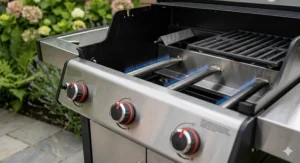
British weather tests BBQ durability more severely than manufacturers anticipate when designing for global markets. Here’s how to protect your investment and ensure your three burner gas BBQ survives multiple UK winters without deteriorating into a rusty eyesore.
Post-Cook Cleaning (Every Use)
Clean cooking grates whilst still warm using a brass-bristle brush — never steel wool, which scratches protective coatings and accelerates rust. Remove and empty the grease tray, disposing of congealed fat properly rather than pouring it down drains. Wipe exterior surfaces with a damp cloth to remove spatters before they bake on.
For porcelain-enamelled cast iron grates, light brushing suffices most times. Stubborn residue responds to heating the BBQ on high for 10 minutes to carbonise stuck food, then brushing clean. Chrome-plated steel grates (found on budget models like the George Foreman) require more gentle treatment and thorough oiling after every use to prevent rust. Gas safety regulations require proper maintenance of all gas fittings to ensure safe operation.
Monthly Deep Clean
Once monthly during grilling season, remove cooking grates and Flavorizer bars (or equivalent) to access the firebox. Brush out accumulated debris and grease, checking burner tubes for blockages. Spider webs inside burner ports create uneven flames and potential flashback — a surprisingly common issue in British gardens where spiders seek sheltered spots.
Wash removable components in hot soapy water or (if dishwasher-safe on models like Campingaz InstaClean) through a dishwasher cycle. Check the drip tray for damage or warping, as cracked trays leak grease onto paving and create fire hazards.
Seasonal Maintenance
Spring Preparation (March-April): After winter storage, thoroughly inspect all components. Check gas connections for leaks using soapy water (bubbles indicate escaping gas). Replace worn or cracked hoses immediately — these cost £10-£15 but prevent potential disasters. Clean or replace burner tubes if showing significant corrosion. Test ignition systems and replace batteries if using electronic ignition.
Cast iron grates stored through winter almost certainly need re-seasoning. Scrub off any surface rust using steel wool, wash and dry thoroughly, then coat with vegetable oil and heat the BBQ on high for 15 minutes to create a protective layer. Repeat this process 2-3 times for best protection.
Autumn Preparation (September-October): As outdoor cooking season winds down, perform thorough cleaning before winter storage. Remove all grease deposits, as these attract rodents seeking shelter and food during colder months. Coat all metal surfaces (especially cast iron) with a light layer of cooking oil to prevent rust during storage.
If continuing winter grilling, increase maintenance frequency. British winter dampness accelerates corrosion, making monthly deep cleans advisable even with lighter usage. Check covers regularly for damage or pooling water, which defeats their protective purpose.
Winter Storage (November-February)
For those storing BBQs over winter, proper preparation prevents discovering a rust-covered mess come spring. Clean everything meticulously, as any remaining grease or food residue attracts moisture and pests. Disconnect and separately store the gas cylinder in a well-ventilated outdoor location — never indoors, even in a garage.
Apply a generous coating of cooking oil to all cast iron surfaces. Cover the BBQ with a waterproof, breathable cover that properly fits your model — cheap universal covers that puddle water on top accelerate rather than prevent corrosion. If possible, store under a covered area rather than fully exposed to elements.
Check stored BBQs monthly during winter. If the cover has accumulated water, drain it and reposition. Remove the cover occasionally to allow air circulation, preventing condensation buildup that creates rust even under protective covering.
Component Replacement Timeline
Even with excellent maintenance, components wear out. Burner tubes typically last 3-5 years with regular use before corrosion affects performance. Ignition systems need battery replacement annually or complete replacement after 3-4 years. Cooking grates depend heavily on material: porcelain-enamelled cast iron lasts 5-7 years; chrome-plated steel needs replacement every 2-3 years; stainless steel wire grates (budget models) might survive only 1-2 seasons of British weather.
Budget £30-£80 annually for replacement parts and maintenance supplies. Quality models like Weber make replacement parts readily available; cheaper brands often discontinue models within 2-3 years, making component sourcing impossible.
Common Mistakes When Buying a 3 Burner Gas BBQ
British buyers repeatedly make the same errors when selecting gas BBQs, often discovering them only after wasting money or enduring frustrating cooking experiences. Here’s what to avoid.
Mistake 1: Prioritising Burner Count Over Quality
A budget six-burner BBQ sounds more impressive than a premium three-burner model, but those extra burners deliver questionable value if built from inferior materials with poor heat distribution. Three quality burners with proper zone control outperform six cheap burners that create hot spots and cold zones.
The CosmoGrill example illustrates this perfectly: five burners for £200-£300 sounds brilliant until you realise the thin construction and basic materials mean uneven cooking and shorter lifespan. Meanwhile, the Weber Spirit II E-310’s three burners deliver consistent results for a decade.
Mistake 2: Ignoring British Weather Requirements
Buying a BBQ designed for Mediterranean climates creates frustration in British conditions. Thin lids lose heat rapidly in wind, light frames blow over during storms, and inadequate rust protection shows deterioration within months of British dampness.
Porcelain-enamelled components, stainless steel burners, and enclosed cart designs aren’t luxuries — they’re necessities for equipment living outdoors year-round in Britain. That extra £100 for weather-resistant construction saves £400 replacing a corroded BBQ three years later.
Mistake 3: Underestimating Assembly Complexity
Marketing photos show gleaming assembled BBQs, but many models require 2-3 hours of assembly with 50+ steps. Weber provides excellent instructions and quality hardware; budget brands often include vague diagrams, missing parts, and bolts that strip easily.
If you lack DIY confidence or tools, factor assembly services into your budget (typically £50-£100) or choose models with simpler assembly. Rushing assembly creates wobbly construction, misaligned components, and gas leaks — potentially dangerous outcomes from impatience.
Mistake 4: Overlooking Gas Connection Requirements
Gas BBQs sold in the UK should include a UK regulator and hose suitable for British propane cylinders (Calor Gas, Flogas, etc.). Some imported models arrive with European or American fittings requiring adapters or complete replacement. Verify what’s included before purchasing, as buying correct regulators and hoses separately costs £25-£40.
The regulator required depends on your gas type: propane (most common for UK BBQs) uses a 37 mbar regulator with clip-on fitting. Never use incorrect regulators or attempt bodge solutions — gas leaks and explosions aren’t worth the £20 saving. The UK Government’s gas appliances regulations ensure products meet safety standards, but always verify compatibility with UK cylinders before purchasing.
Mistake 5: Buying Too Large for Your Space
A sprawling BBQ looks magnificent in showrooms but becomes impractical in British gardens. Measure your available patio or deck space before shopping, accounting for required clearances: at least 1 metre from fences, walls, and overhanging structures. Remember you’ll need room to open the lid fully and move around comfortably whilst cooking.
Consider storage space for winter months. A BBQ that barely fits your patio certainly won’t fit in a standard British shed alongside lawnmowers and bicycles. Models with folding shelves and smaller footprints make year-round ownership more practical.
Mistake 6: Neglecting Running Costs
The initial purchase price represents only part of total ownership costs. Budget £200-£400 annually for propane (8-10 refills at £35-£45 each), replacement parts, covers, cleaning supplies, and eventual component replacement. Premium models with better efficiency and longer-lasting components often cost less over five years than cheap models requiring constant repairs and earlier replacement.
Mistake 7: Choosing Style Over Substance
Wood-effect shelves and decorative details look attractive initially but contribute nothing to cooking performance. Prioritise functional features that matter: reliable ignition, quality cooking grates, proper grease management, and weather-resistant construction. The George Foreman’s attractive wood-effect shelves don’t compensate for chrome-plated grates that require constant maintenance in British weather.
3 Burner Gas BBQ vs Charcoal: Which Suits British Gardens Better?
The gas versus charcoal debate rages eternal among British grillers, with passionate advocates on both sides. Here’s an honest assessment of how each performs in British conditions, helping you make an informed choice rather than defaulting to whichever your neighbour uses.
Convenience and Speed
Gas BBQs win decisively on convenience. Turn the knobs, press ignition, and you’re cooking within 10 minutes. No sourcing charcoal, struggling with lighting in British wind, or waiting 30-40 minutes for coals to reach cooking temperature. For midweek evening grilling when you arrive home at 6pm hungry and impatient, gas makes dinner realistic rather than aspirational.
Charcoal requires planning and patience. Even with chimney starters and quality fuel, expect 30-45 minutes from lighting to cooking readiness. British weather frequently defeats lighting attempts: damp charcoal from improperly stored bags, wind scattering lighter fluid flames, unexpected rain soaking everything mid-preparation. Weekend grilling suits charcoal’s slower pace; weeknight cooking demands gas efficiency.
Flavour Differences
Charcoal enthusiasts claim superior flavour from smoke and high heat, and they’re partially correct. Charcoal produces authentic smoke flavour impossible to replicate with gas, particularly when using quality lumpwood charcoal or adding wood chunks. The smoky taste some associate with “proper BBQ” genuinely requires charcoal or wood.
However, three burner gas BBQs deliver excellent flavour through different means. Weber’s Flavorizer bars and Char-Broil’s TRU-Infrared systems vaporise dripping fats and juices, creating flavourful smoke that infuses food. You won’t achieve identical results to charcoal, but properly grilled steaks, chicken, and vegetables taste brilliant on quality gas BBQs.
Temperature Control
Gas provides precise, adjustable heat control impossible with charcoal. Need to sear steaks at 260°C then finish chicken at 180°C? Adjust knobs instantly. Charcoal requires moving food between hot and cool zones or adding/removing coals — doable but fiddly, especially for beginners.
British weather particularly rewards gas control. When wind or rain affects cooking conditions, adjusting gas burners compensates immediately. Charcoal temperatures plummet when rain hits hot coals or wind disrupts airflow, creating frustration and potentially ruining expensive ingredients.
Running Costs
Quality charcoal costs £8-£15 per 5 kg bag, lasting perhaps 3-4 cooking sessions depending on usage. Serious charcoal enthusiasts budget £100-£200 annually just for fuel. Budget briquettes reduce costs but often contain fillers and binders that create ash and inconsistent heat.
Propane costs £35-£45 per 13 kg cylinder, lasting 15-20 hours of cooking — call it £200-£300 annually for regular users. Gas proves more economical for frequent cooking, though initial equipment costs typically exceed charcoal BBQs.
Maintenance and Cleaning
Gas BBQs require regular maintenance (cleaning grease trays, checking burners, replacing worn parts) but avoid charcoal’s messy ash disposal. Dumping ash into garden beds seems eco-friendly until you realise it makes soil excessively alkaline for most British plants. Disposing of ash responsibly means waiting until completely cold, bagging, and binning — tedious after a long grilling session.
Gas cleaning involves grease management but no ash mess. British dampness makes charcoal storage challenging: improperly sealed bags absorb moisture, making lighting increasingly difficult. Gas cylinders store indefinitely without deterioration.
British Weather Resilience
Gas BBQs handle British weather better overall. Light them reliably in wind, adjust heat despite rain, and cook successfully even when conditions aren’t ideal. Charcoal battles British weather constantly: wind during lighting, rain threatening partially cooked food, damp affecting fuel performance.
That said, charcoal grilling under a covered patio or garden shelter works brilliantly. The smoke and atmosphere create memorable outdoor dining experiences worth the extra effort for special occasions.
The Verdict for British Conditions
For most British households, a quality three burner gas BBQ represents the practical choice: reliable performance regardless of weather, quick enough for weeknight use, lower long-term stress. Add a small portable charcoal grill (£50-£100) for occasions when you want authentic smoke flavour, giving you flexibility without relying entirely on charcoal’s weather-dependent temperament.
Alternatively, the Char-Broil Gas2Coal Hybrid offers genuine best-of-both-worlds capability, letting you choose based on available time, weather conditions, and desired flavour profile.
Frequently Asked Questions
❓ How long does a 13 kg propane bottle last on a 3 burner gas bbq?
❓ Can I use a 3 burner gas bbq in winter in the UK?
❓ Do I need a cover for my gas bbq in the UK?
❓ What's the difference between propane and butane for BBQs in the UK?
❓ How do I prevent my BBQ grates from rusting in British weather?
Conclusion: Finding Your Perfect 3 Burner Gas BBQ
Choosing the right three burner gas BBQ for British conditions ultimately comes down to balancing your budget, cooking ambitions, and realistic assessment of how you’ll actually use it. The £200 question becomes: are you grilling twice monthly in peak summer, or will this become your primary cooking method from March through October?
For serious grillers planning regular year-round use, the Weber Spirit II E-310 represents the smartest investment despite its £400-£550 price point. That decade-long warranty isn’t marketing bluster — it reflects genuine confidence in materials and construction that handle British weather punishment. The porcelain-enamelled components, reliable ignition, and consistent heat distribution deliver results worth the premium.
Mid-range buyers seeking advanced features without Weber pricing should examine the Char-Broil Professional 3400 S closely. The TRU-Infrared technology genuinely improves cooking results whilst reducing gas consumption — meaningful benefits that justify the £350-£450 investment. This BBQ represents excellent value for families grilling weekly throughout the season.
Budget-conscious families testing whether gas grilling suits their lifestyle will find the George Foreman GFGBBQ3BW adequate for exploring outdoor cooking without major financial commitment. Just maintain realistic expectations about three-to-five-year rather than decade-long performance, and budget for more frequent maintenance.
The Campingaz 3 Series Classic LS Plus deserves serious consideration from anyone prioritising easy cleanup over brand prestige. The InstaClean system transforms post-grilling maintenance from dreaded chore into manageable task, potentially making the difference between actually cleaning properly versus neglecting it until components fail.
For enthusiastic cooks wanting maximum versatility, the Campingaz 3 Series Premium S and its Culinary Modular System opens genuine possibilities beyond standard grilling. Pizza, stir-fries, rotisserie chicken — suddenly you’re hosting dinner parties rather than just grilling burgers. The £450-£600 investment makes sense only if you’ll actually use these capabilities rather than admiring them theoretically.
The Char-Broil Gas2Coal Hybrid solves the eternal gas-versus-charcoal dilemma with genuine dual-fuel flexibility. Weekend smoke-flavoured ribs, midweek quick chicken — you’re equipped for both without maintaining separate BBQs. This represents brilliant value for those unwilling to compromise on cooking methods.
Whatever model you select, prioritise weather-resistant construction over decorative features, reliable ignition over burner count, and quality grates over cooking area size. British conditions demand equipment built for durability rather than Californian sunshine. A well-maintained quality BBQ should deliver 7-10 years of reliable service — that’s hundreds of meals justifying your investment many times over.
The difference between enjoying outdoor cooking and battling frustrating equipment comes down to choosing appropriately for British conditions rather than following American-oriented advice. Invest in quality matched to your usage patterns, maintain it properly, and you’ll wonder why you wasted so many summers wrestling with temperamental charcoal.
Recommended for You
- Best 2 Burner Gas BBQ for Balcony UK 2026
- 7 Best Budget 2 Burner Gas Grills UK 2026
- 7 Best Portable Smokers UK 2026
Disclaimer: This article contains affiliate links. As an Amazon Associate, I earn from qualifying purchases. If you purchase products through these links, we may earn a small commission at no additional cost to you.
✨ Found this helpful? Share it with your mates! 💬🤗
